6 September 2026 · Omnipod
Trying to Get an Insulin Pump When Your Job Doesn't Have a Diary
Trying to get onto an Omnipod has been harder than expected when hospital appointments and touring schedules rarely line up.
Read note →
Personal
Real experience from someone actively touring — supportive, honest and practical. Not medical advice.
In 2019 my life changed when I was diagnosed with Type 1 diabetes.
Like many people, my first thought wasn't simply about managing diabetes. It was whether I would still be able to continue the career I loved.
The live events industry isn't built around predictable routines.
Long festival days.
Arena load-ins.
Night buses.
International flights.
Different time zones.
Irregular meals.
Long hours.
They're all part of the job.
Learning to manage diabetes alongside this lifestyle has been one of the biggest personal challenges I've ever faced.
It required discipline. Preparation. Technology. Planning.
Most importantly, it required believing that diabetes didn't have to define what I was capable of achieving.
Today I continue to work internationally on major productions while successfully managing Type 1 diabetes every day.
If you're an engineer, musician, technician or crew member living with diabetes, I want you to know that this career is absolutely still possible.
It may require more preparation than before. It may require adapting your routines. But it should never stop you pursuing the career you're passionate about.
Over time I'd like this website to become a resource for others working within the live events industry who are also learning to balance touring life with diabetes.
If sharing my experiences helps even one person continue doing the job they love, then it's worth telling the story.
For trusted information and support, visit Diabetes UK.
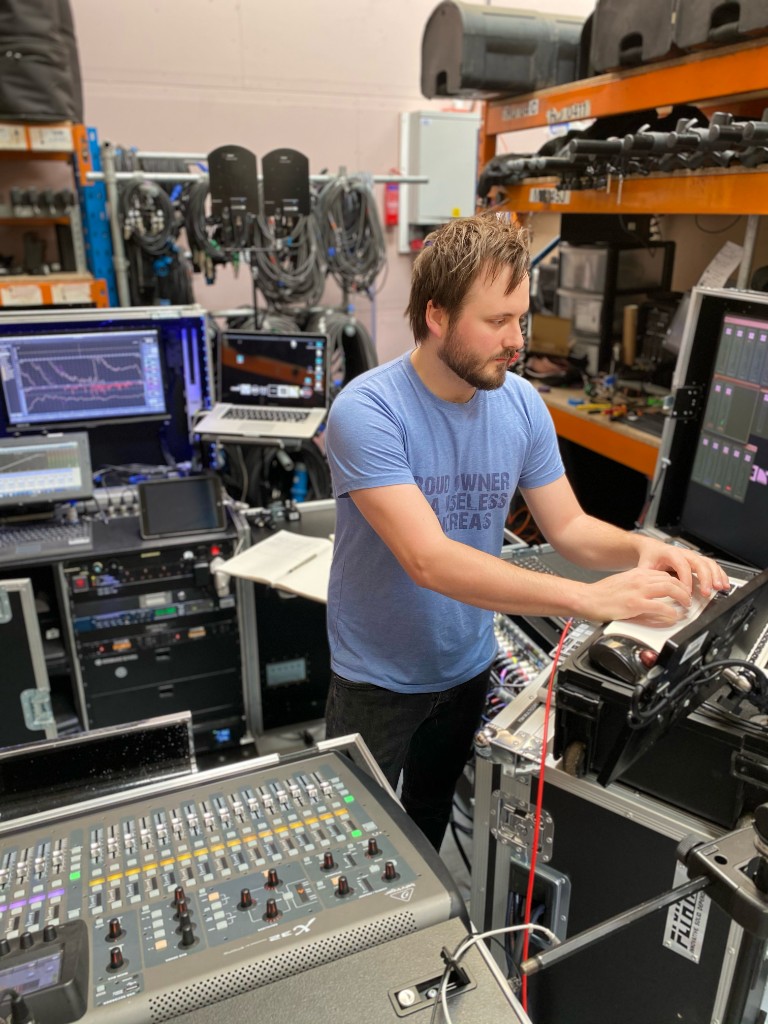
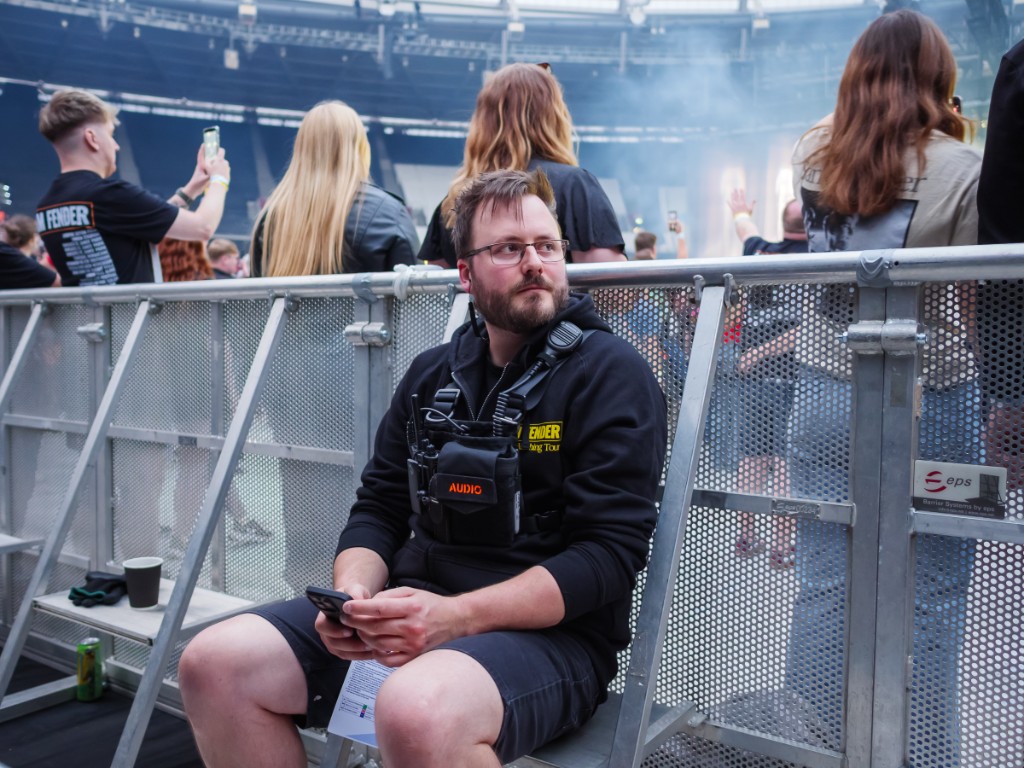
On site — managing Type 1 diabetes while working on live productions
On the road
Touring with Type 1 diabetes adds another layer of planning to an already fairly complicated job.
When I head away for a tour, particularly for a month or more, I have to take pretty much everything I could possibly need with me. That means a month’s supply of insulin, needles and other consumables, along with plenty of spare FreeStyle Libre 2 Plus sensors. I always carry more than I expect to use — losing a sensor after two days isn’t quite as simple as popping home for another one when you’re on the other side of the world.
One of the biggest challenges is insulin storage. Insulin needs to be protected from excessive heat, which becomes particularly important when touring through warmer countries and spending days travelling between hotels, airports, venues and tour buses.
For longer tours I use a LifeinaBox portable medical fridge. Unlike a normal cool bag, it gives me proper temperature-controlled storage for my insulin while I’m travelling. I take the fridge, its power supplies and battery with me so that my insulin can remain protected while we’re moving between venues and countries.
My diabetes kit therefore ends up being almost as carefully planned as my work kit. Before leaving, I’ll work out roughly what I need for the entire trip and then add spares — extra insulin, extra Libre sensors and enough supplies to deal with something getting lost, damaged or failing unexpectedly.
The FreeStyle Libre 2 Plus is also a massive part of managing diabetes while touring. Working in live sound can mean very long and unpredictable days — load-ins, soundchecks, shows and load-outs don’t necessarily fit around normal meal times. Being able to see what my glucose is doing without stopping work makes a huge difference.
There’s also the travel itself. Flights, different time zones, irregular meals, overnight buses, long working days and constantly changing routines can all affect glucose levels. I’ve found that what works perfectly at home doesn’t necessarily behave exactly the same way on tour.
It certainly takes more preparation, but Type 1 diabetes hasn’t stopped me touring or doing the job I love. I’ve worked across the UK, Europe and Asia while carrying everything I need to manage it.
For me, the key is simply planning for the unexpected. If I think I’ll need four sensors, I’ll take more. If I need enough insulin for four weeks, I’ll carry a reserve. And anything essential stays with me rather than disappearing into a flight case or checked luggage.
Diabetes comes on tour too — it just gets its own packing list.
Kit & notes
New kit, sensors, storage and practical notes as things change — same drop-a-folder publish as Updates. Not medical advice.
6 September 2026 · Omnipod
Trying to get onto an Omnipod has been harder than expected when hospital appointments and touring schedules rarely line up.
Read note →6 September 2026 · Insulin
Why a portable medical fridge replaced a cool bag for month-long tours.
Read note →Future sections will cover practical touring experience — not medical advice.